Stark Hollow Farm
Submitted by madeleine.rolka... on

Submitted by madeleine.rolka... on
Submitted by [email protected] on
Submitted by madeleine.rolka... on
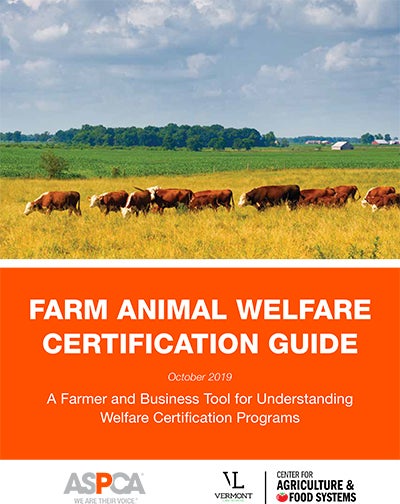 The lack of welfare standards or transparency in industrial animal agriculture is not just endangering farm animals
Submitted by carrie.straus@a... on
In response to growing public concern about factory farming, some states have banned certain industrial farming practices that have been shown to cause animal suffering, threaten public health, pollute water, reduce air quality and negatively impact property values. Rather than reform destructive practices, corporate agribusiness is responding by pushing "right-to-farm" (RTF) laws.
Submitted by madeleine.rolka... on
Submitted by madeleine.rolka... on
Submitted by madeleine.rolka... on
Submitted by madeleine.rolka... on

In addition to our work with producers, retailers and restaurants, the ASPCA is working in cities around the country—alongside health, environment, education and fair labor advocates—to help public institutions source higher-welfare and more just, sustainable food.
Submitted by madeleine.rolka... on
Submitted by keeley.mangeno@... on
The ASPCA is on the ground in Clewiston, Florida, assisting with the removal, evidence collection, sheltering and medical care of more than 100 dogs from a substandard, unlicensed breeding facility believed to be a puppy mill. The dogs were being sold to pet stores in the Miami-Dade area. An investigation of the facility began after several complaints were made by individuals in the community, and the ASPCA stepped in to help at the request of the Hendry County Sheriff’s Office.