Constipation—difficult, infrequent or absent bowel movements—is one of the most common health problems associated with a pet’s digestive system. Telltale signs, such as dry, hard stools and straining when trying to defecate, can also be an indicator of other disorders, including hypothyroidism. Another symptom of this disorder is the passage of mucus when a dog attempts to defecate.
There are various reasons why a dog may be constipated:
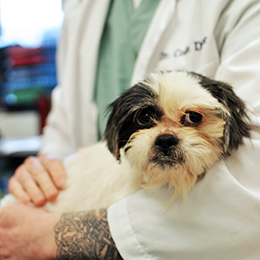
If your dog has not had a bowel movement in over two days or if he strains, crouches or cries out when attempting to defecate, you should see your veterinarian right away.
Note: These signs may also be symptoms of a urinary tract problem, so it’s important that you see your vet to determine the cause.
Elderly pets often suffer from infrequent or difficult bowel movements. However, the condition can occur in any dog who doesn’t eat adequate amounts of fiber, get enough exercise or suffers from one or more of the causes of constipation.
Depending on what’s causing your dog’s constipation, your vet may recommend one or several of the following treatments:
If your dog’s constipation is not alleviated, obstipation—the inability to empty his colon on his own—can occur. In this state, the colon is packed with an uncomfortably large amount of feces, causing unproductive straining, lethargy, appetite loss and possibly even vomiting.