Animal Poison Control Center


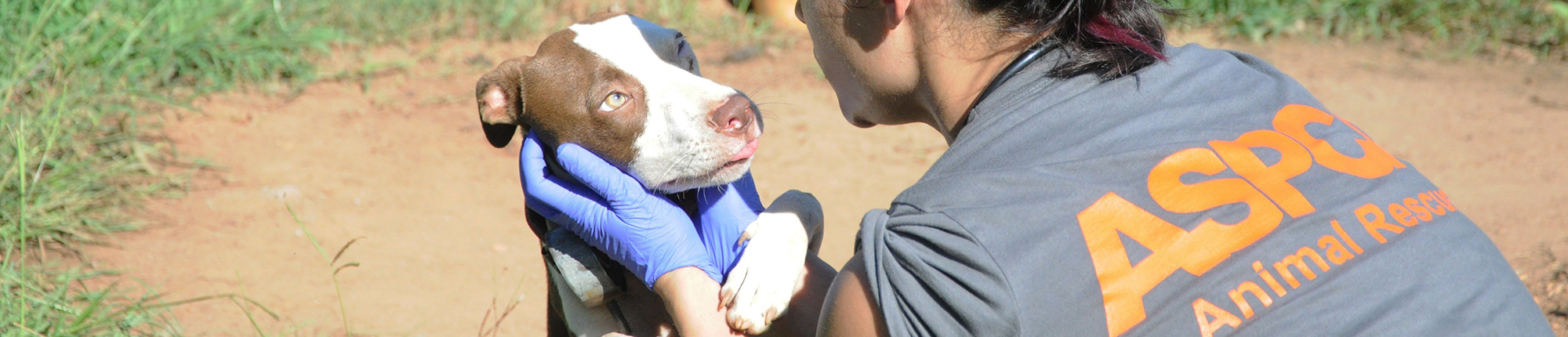
Puppy looking sad

How We Can Help
As the premier animal-oriented poison control center in North America, the ASPCA Animal Poison Control Center is the best resource for any animal poison-related emergency, 24 hours a day, 365 days a year. Make the call that can make all the difference: (888) 426-4435. Beginning January 1, 2010, the ASPCA Animal Poison Control Center will be increasing the fee for a consultation by $5 per case. Individual credit cards will then be charged $65, while VLPP clinic credit cards on file will be charged $60, reflecting the $5 discount that VLPP clinics receive. Billing (individual and VLPP) will likewise increase by $5.

Mission Statement
The ASPCA Animal Poison Control Center is dedicated to helping animals exposed to potentially hazardous substances by providing 24-hour veterinary diagnostic and treatment recommendations. The center is committed to protecting and improving the lives of animals through toxicology educational programs and non-traditional research.

Resources
The ASPCA Animal Poison Control Center has specially trained veterinary toxicologists on-duty around the clock. We have an extensive collection of scientific journals and books as well as sophisticated databases available nowhere else. The center's clinical experiences collected over the past ten years can be rapidly reviewed for diagnostic and treatment insight.

Center History
The center began operation in the fall of 1978 as the Animal Toxicology Hotline. At that time, Dr. William Buck, a renowned veterinary toxicologist at the College of Veterinary Medicine, University of Illinois Urbana-Champaign, and his graduate students started handling calls around-the-clock using a paging service. The only expense to the caller was the actual cost of the call.

The service was initially available to Illinois callers, but word of its value spread to other states when the telephone number was broadcast on the Paul Harvey radio show and printed on the label of a popular rodenticide. The number of calls from outside of Illinois climbed, and in 1980 the name was changed to Animal Poison Control Center. By 1984, the name was changed to National Animal Poison Control Center to reflect this expanding scope.

Because of University of Illinois budget restraints, on January 20, 1990, the Center initiated a professional fee for consultation services. Before this date, callers paid for the telephone long-distance line charges, but the cost of operating the Center was absorbed by the university. The Center installed toll-free phone lines and accepted major credit cards for payment. User fees, grants, gifts and corporate support continued to fund the non-profit Center at a break-even level.

In the summer of 1996, the ASPCA acquired the Center from the University of Illinois. The ASPCA Animal Poison Control Center remains an Allied Agency of the University of Illinois College of Veterinary Medicine. Several staff members currently hold university appointments and the Center provides clinical toxicology training to veterinary toxicology residents.

How Is ASPCA Animal Poison Control Center Different?
We are dedicated to providing the most medically useful veterinary poison and drug information possible. Our staff veterinarians have a wide range of information specific to animal poisoning. They also have an extensive collection of individual cases—more than 850,000—involving pesticide, drug, plant, metal and other exposures in food-producing and companion animals.

What About Human Poison Control Centers?
The employees of the ASPCA Animal Poison Control Center are veterinary health professionals who have been trained in veterinary toxicology. Because of their background and training, center veterinarians are prepared to deal with the complexities of animal exposed to poisons. There are many differences between the various species, including an animal's reaction to a specific chemical and response to therapy.

The APCC is a member of the American Association of Poison Control Centers, and we do work closely with human centers to provide information on animal poisonings. Many human centers refer serious cases directly to the center. The center also refers cases involving human poisonings to the appropriate human regional center.

Take the Pledge